Ever planned a kid’s birthday party only to watch the excitement fizzle ten minutes in? You try your hardest—games, a piñata, even a magician—but by cake time, the kids are either bouncing off the walls or slouched in a corner.
Nobody warns you about how quickly boredom (or chaos) can shake up a room full of children. When kids aren’t really engaged, the stress lands squarely on you. You want memories, not headaches or complaints.
After reading, you’ll have a pocketful of birthday party entertainment ideas that’ll keep kids busy, happy, and actually asking for more. Ready for your next party to feel like the best playdate ever?
Understanding What Keeps Kids Engaged During Parties
If you’ve ever watched kids at a birthday party, you know how quickly things can turn from pure excitement to total disinterest. There’s a secret to keeping them happy and involved—it’s not just flashy decorations or endless sugar. It’s knowing what grabs their attention and holds it, even when energy runs high.
So, what actually keeps kids truly engaged during parties? The answer’s rarely just ‘fun.’ It comes down to a mix of novelty, movement, and the right balance of structured activities versus spontaneous play. According to the American Academy of Pediatrics, children aged 4–10 focus best when activities alternate between high energy and calmer tasks (think relay races followed by craft time). You want to create an environment where every child feels invited to participate but not pressured to perform.
| Engagement Driver | What Kids Experience | Why It Works |
|---|---|---|
| Novelty | New toys, surprise games | Boosts curiosity and keeps interest high |
| Movement | Obstacle courses, dance games | Channels energy positively, prevents boredom |
| Choice | Pick-between stations, flexible rules | Makes kids feel empowered and included |
💡 Pro Tip: Alternate between group games and individual stations. When kids can move freely between activities, they’re less likely to get restless or overwhelmed. The CDC recommends this approach in childcare and event settings to support attention spans.
Picture this scenario: Six-year-old Olivia shows up at a party with a room full of options—colorful slime-making, a scavenger hunt, and a ‘quiet corner’ with sensory bins. She tries one, then another, and never checks the clock. That’s engagement in action—it’s not about keeping kids endlessly busy, but about offering creative choice and gentle structure.
- Energy levels naturally fluctuate—plan for high and low points throughout the party.
- Mix competitive games with collaborative ones to support different personalities.
- Keep instructions simple; complicated rules lose kids fast.
What actually works might surprise you…
Creative Game Stations That Never Get Old
Every parent’s been there: kids buzzing with anticipation, then suddenly slumping into boredom when classic party activities fizzle out too fast. That’s why creative game stations are a lifesaver—kids want the freedom to move, choose, and dive into new discoveries on their own terms.
But what makes a game station more than just a table with some board games? The best ones blend hands-on play, skill-building, and a dash of surprise. According to the National Association for the Education of Young Children (NAEYC), variety and autonomy boost both participation and social learning in group settings. It’s all about designing spaces that invite exploration, not just instruction.
- Sensory Bin Dash: Hide small tokens or puzzle pieces in a bin of kinetic sand or colorful beads—kids compete (or collaborate) to find them using only tongs or chopsticks.
- DIY Mini Golf: Cardboard tunnels, plastic cups, and bouncy balls create an indoor golf course that’s quick to reset. Each hole can offer quirky prizes or funny challenges.
- Ring Toss Carnival: Use glow rings at night or eco-friendly rope rings in daylight. Line up themed targets: dinosaur figurines, painted bottles, or traffic cones, for a quick competitive twist.
💡 Pro Tip: Rotate themes for each station throughout the party—what starts as a “treasure dig” can transform into a dinosaur fossil hunt later. The Child Mind Institute suggests theme rotation to keep party energy high without overwhelming children.
Picture this scenario: It’s 3 PM and your backyard is dotted with pop-up game stations—kids dash from a bean bag toss to a makeshift bowling alley, giggling as each setup offers something new. They’re busy, happy, not glued to one spot or clamoring for screens. That, right there, is engagement that truly lasts.
| Station Type | Materials Needed | Best For Ages |
|---|---|---|
| Obstacle Maze | Pillows, tape, cones | 5-9 |
| Sensory Dig | Sand, plastic tokens | 3-7 |
| Target Toss | Rings, cones, figurines | 4-10 |
And this is exactly where most people make the most common mistake…
Craft And Creation Corners That Spark Imagination
Ever notice how kids can get totally absorbed when you hand them a box of odds and ends—and a little creative freedom? That’s the magic of craft and creation corners: they invite every child to become an artist, an inventor, or even a storyteller right at your party table. No fancy digital gadgets required—just mess-friendly supplies and permission to go wild.
Here’s the thing: the best craft corners don’t just kill time. They foster real-world skills: fine motor, problem-solving, and self-expression. According to the Creative Art in Early Childhood Curriculum report from the National Association for the Education of Young Children, hands-on projects encourage cognitive development in ages 3–10—even boosting confidence as kids show off their masterpieces.
- Simple Collage Table: Pre-cut shapes, soft fabric scraps, glitter glue, and chunky stickers. Easy for little hands, big on color.
- DIY Slime Lab: Mix baking soda, contact solution, and safe washable glue—custom colors and scents turn every bowl into a science experiment.
- Mosaic Magnet Maker: Small wooden tiles, craft glue, and peel-and-stick magnets for personalized fridge art that doubles as a party favor.
💡 Pro Tip: Set out finished examples for inspiration, but let kids put their own spin on each craft. “Process over product” helps all ages feel included, especially if some little guests have special sensory or developmental needs—a tip endorsed by Child Mind Institute specialists.
In practice: imagine a birthday girl who’s shy at group games but lights up stringing beads into a necklace she’ll wear home. Nearby, a future engineer builds a cardboard car with stickers for headlights. That’s engagement that lasts even after the party fades—kids leave with creations, not just goody bags.
- Set out supplies grouped by type for easy access.
- Offer smocks or old tees to protect clothes.
- Provide wipes or a damp towel for quick cleanup.
- Put crafts in recyclable trays so kids can carry projects home.
- Encourage parents to snap a photo—art makes a great memory!
But there’s one detail most hosts completely overlook until it’s too late…
DIY Performance Ideas For Maximum Laughter
Why do kids remember some birthday parties for years? Here’s the truth: it’s the moments when they’re the star, not just spectators. DIY performances—think silly talent shows or puppet acts—create the kind of laughter that sticks. And you don’t need a pro entertainer; all you need is a stage (blanket-draped table works!), props, and a spark of imagination.
If you’re thinking, “But what if they freeze up?”—don’t worry. Group-friendly formats and no-pressure participation are key. According to the National Association for the Education of Young Children (NAEYC), giving kids choice and control over their performance lowers anxiety and boosts enjoyment.
- Pick the Stage: Clear a space or mark off a “show zone” with pillows, blankets, or floor tape. Kids feel more confident with a defined area.
- Prop Bucket: Set out hats, scarves, puppets, and musical toys. Open-ended materials let kids invent characters and skits on the spot.
- Sign-Up Stars: Use index cards for kids to “sign up” alone or in teams. Nobody’s forced onstage—participation is always optional.
- Emcee Role: Let an adult or older sibling introduce acts with lots of enthusiasm—set a playful, supportive tone for every skit.
- Audience Magic: Encourage applause after every act, keeping feedback positive and quick—think “You rocked it!” or “That was hilarious!”
💡 Pro Tip: For shy kids, offer a behind-the-scenes role—like sound effects master or stage manager. According to Child Mind Institute, even introverts take pride in a part well played.
Picture this scenario: A crowd of giggling kids produces their own ‘circus,’ complete with sock-puppet lions and a magician who makes cookies ‘disappear.’ They aren’t just watching—they’re cracking up, high-fiving, and inventing running jokes that last all year. That’s the kind of joy that genuinely bonds a group.
| Performance Idea | What You Need | Best Suited For |
|---|---|---|
| Puppet Comedy | Old socks, markers, cardboard stage | Ages 4-7 |
| Magic Show | Plastic cups, scarves, safe props | Ages 5-10 |
| Talent Hour | Musical toys, hats, scarves | Ages 6-10 |
And this is exactly where most people make the most common mistake…
Planning Tips For Smooth-Running, Memorable Events
What’s the difference between a party that’s pure fun and one that slips into mayhem? Smart, practical planning—plus a willingness to roll with surprises. If you want the day to feel almost effortless (and memorable for all the right reasons), start with structure, then allow for serendipity to do its thing.
- Create a Flexible Timeline: Block activities in 15-30 minute segments. Build in buffer time—kids linger over cake and crafts longer than you think.
- Prep Stations Ahead: Set up games, crafts, and snack tables before guests arrive. Labeling supplies keeps confusion and mess to a minimum.
- Strategic Snack Breaks: Don’t let hunger sneak up. Use homemade treat trays and water stations near high-activity zones to avoid cranky moments.
- Delegate (Really): Assign grown-ups or older siblings to specific areas or activity rounds—it frees you to enjoy the occasion, too.
- Have a Rainy-Day Backup: Indoor movement games, a quick scavenger hunt, or a group craft turn unpredictable weather into another story for the scrapbook.
💡 Pro Tip: Print a one-page “party map” for helpers. A glance tells them what’s next, where to guide kids, and when to rally everyone for cake or performances. The American Academy of Pediatrics recommends clear roles and pre-built routines to reduce event stress for both parents and children.
Picture this scenario: You catch yourself actually savoring the celebration—snapping candid photos, watching kids invent games, not worrying about every detail. When there’s a plan, setbacks become nothing more than punchlines (“Remember the slime that ate the table?”). Relaxed hosts make lasting party memories for everyone.
| Planning Step | Time Needed | Impact |
|---|---|---|
| Activity Schedule | 30 minutes | Reduces chaos, maximizes variety |
| Advance Prep | 1-2 hours | Enables smooth flow |
| Volunteer Assignments | 10 minutes | Lessens host burnout |
Once this is in place, the rest of the routine falls into place naturally.
Your Party Memory Toolkit
It’s easy to get overwhelmed planning kids’ parties, but three things truly count: understanding what engages kids, mixing creative stations and crafts, and smart, flexible planning. If you take just one thing from this guide, let it be: focus on hands-on, kid-driven birthday party entertainment ideas that let kids shine in their own way.
Before, maybe parties felt hectic or stressful to organize—lots of chaos, not enough joy. Now, you know how to build flow, fun, and lasting laughter into every event. Armed with fresh ideas and a little prep, you can run a party that really works for you and your kids. Confident, calm, ready—your next party’s about to get a whole lot easier.
Which entertainment idea are you excited to try first at your next party? Share your plans or your party wins in the comments—we can’t wait to hear!
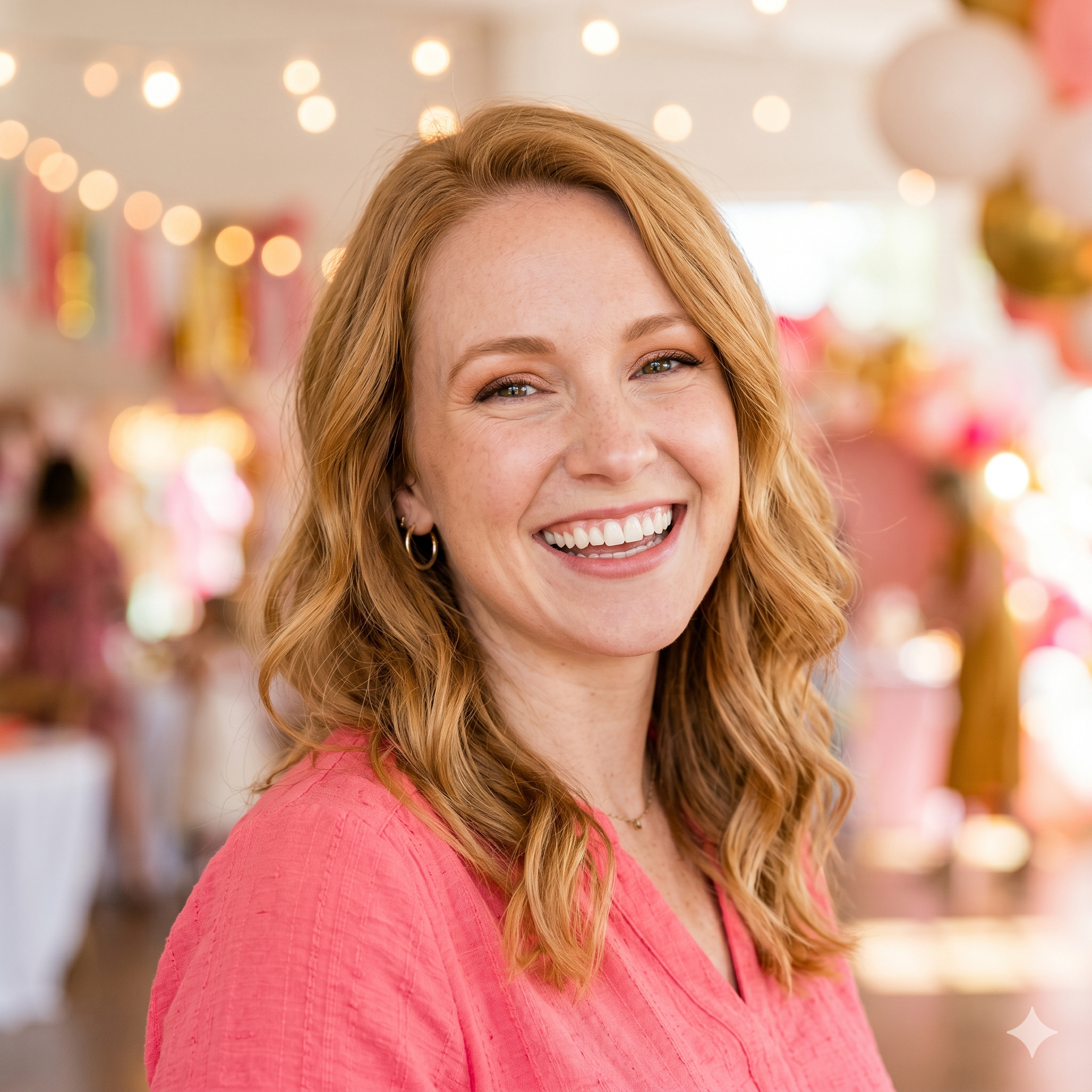
Megan Claire Donovan is a party planning enthusiast and celebration writer dedicated to helping people create memorable events without the stress. With a passion for creative decorations, smart budgets, and practical checklists, Megan built this blog to be the go-to resource for anyone planning a birthday party, holiday celebration, or special occasion of any size.