You prep for days, but the clock always sprints ahead—suddenly, guests are at the door, and you’re still flustering in the kitchen. Sound familiar? Hosting a dinner party can feel like juggling fire, especially when everyone expects food, fun, and that perfect atmosphere.
And honestly, nobody tells you about the tiny details that can spiral—forgotten ice, missing chairs, or realizing you’re out of napkins minutes before dessert. That’s real hosting stress. It steals away your energy and turns what should be a night of laughter into a memory you’d rather not repeat.
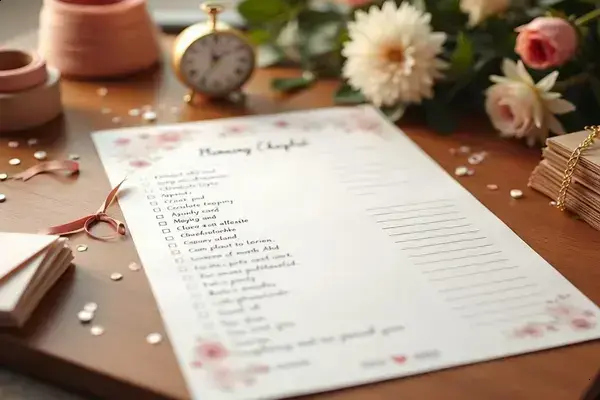
By the end of this article, you’ll have a dinner party planning checklist printable filled with practical, pro-tested steps—plus a host of insider tips you won’t find in any generic guide. Ready to actually enjoy your own party this time? It’s all just a checklist away.
What Should Every Successful Dinner Party Checklist Include?
Ever wondered why some dinner parties feel seamless, while others turn into a scramble of forgotten steps and last-minute stress? The secret isn’t just the right main course—it’s a checklist that covers every detail you might overlook. A successful dinner party planning checklist is your silent co-host, keeping you calm and organized even as guests arrive early, wine bottles stack up, and you realize you’re missing serving utensils.
Here’s the thing: a checklist shouldn’t be just a to-do list. It needs to reflect how real hosts operate, from menu design to guest comfort. That means thinking beyond “cook food” and “set table.” You’ll want to include timing, atmosphere, and those subtle touches—music, lighting, allergy notes—that transform a meal into an experience.
- Menu Planning: Start with dietary preferences and allergies. Don’t just guess—confirm directly with guests, as recommended by the Food Allergy Research & Education group. Decide on appetizers, main, sides, dessert, and drinks ahead of time.
- Shopping List: Organize it by grocery section for efficiency. Include everything: from ice to extra napkins, condiments, and beverages for non-drinkers.
- Prep Timeline: Map out what to prepare the day before, morning of, and last-minute finishing (think: pre-chopped veggies, marinating meats, setting the table).
- Ambiance Setup: Candles, playlists, place cards, and cozy throws—these details matter more than people think for guest comfort according to etiquette experts at the Emily Post Institute.
- Guest Comfort: Seating plan, restroom supplies, and clear paths to trash bins. If kids are coming, prep a kid-friendly corner or activities.
💡 Pro Tip: Print two checklists—one to tape inside your kitchen cabinet, another for the entry table. That way, you’ll spot missing details before they become emergencies and delegate easier while guests are mingling.
In practice: picture this scenario—a host forgets ice and only remembers as the first drink is being poured. The vibe takes an awkward dip while someone makes a frantic store run. A thorough checklist stops that awkward pause cold (pun intended).
| Checklist Item | Timing | Why It Matters |
|---|---|---|
| Confirm RSVPs & allergies | 1 week prior | Prevents safety issues & awkward moments |
| Set table & ambiance | Morning of | Frees you up during guest arrivals |
| Final kitchen sweep | After prep, before serving | Catches missing utensils or ingredients |
But there’s one detail most hosts completely overlook until it’s too late…
How Far In Advance Should You Start Planning?
Why does the best dinner party you’ve ever attended feel so effortless, while others feel chaotic—even with the same amount of food and friends? Planning early is the hidden factor most people miss, and it’s not just about being “organized.” Starting at the right time means you can actually enjoy seeing your guests instead of feeling like you’re running a marathon in your own home.
According to the experts at the James Beard Foundation, top hosts begin planning about 2–3 weeks in advance for a memorable dinner gathering. That’s not overkill—it’s breathing room for sourcing special ingredients, mapping out entertainment, and sending invitations (yes, even digital ones deserve a little lead time).
- Pick Your Date (3 Weeks Out): It sounds trivial, but venues and guests’ calendars fill up fast—especially during peak seasons like holidays or graduation months.
- Guest List & Theme (2-3 Weeks Out): Get confirmations early. Dietary preferences and allergies need time for thoughtful menu decisions.
- Menu Planning & Shopping (2 Weeks Out): This is where specialty markets or local vendors come in. Don’t wait for the last minute, or you’ll get stuck with leftovers no one wants.
- Send Invites (At Least 2 Weeks Out): Digital invites (think Paperless Post or Evite) get faster replies, but paper adds a personal touch for formal affairs. Choose based on your crowd.
- Home Prep & Décor (1 Week Out): Inventory your glassware, polish your silver, and ensure all tableware is clean—with time to replace anything chipped or missing.
- Confirm RSVPs (3-5 Days Before): Circle back with guests who haven’t replied yet. Adjust your seating and menu if needed.
- Final Groceries & Prep (1-2 Days Before): Stock up on perishables, pre-cook what’ll keep, and do a dry run of your table setting.
- Essential items: calendar app or planner, invitation tool (digital or paper), shopping list template, meal prep containers, cleaning supplies, food-safe labels.
💡 Pro Tip: Set phone reminders for each major milestone—especially confirming guests and starting food prep. According to etiquette advisors from The Spruce, a simple reminder can prevent huge headaches closer to the big day.
In practice: picture this scenario—a host starts planning just four days ahead. The butcher is out of the roast they wanted, the trusted bakery is booked solid, and two guests can’t make it due to double-booking. That’s more stress than it’s worth.
| Planning Stage | Recommended Timing | Impact |
|---|---|---|
| Menu & Guest List | 2–3 weeks before | Maximizes RSVP rate and food options |
| Shopping & Home Prep | 1 week before | Reduces last-minute panic |
| Final Confirmations | 2–3 days before | Ensures everyone feels expected and welcomed |
And this is exactly where most people make the most common mistake…
Mastering Menu Choices And Dietary Needs
How do you actually please everyone at your table—when it feels like every guest comes with a new dietary preference or allergy? The truth is: menu planning for a dinner party isn’t just about flavor. It’s about making every person feel seen, included, and truly comfortable throughout the night.
The best hosts start with one simple habit: asking about dietary needs in their initial invitation. This isn’t just polite—according to the Food Allergy Research & Education organization, it’s a safety essential. Confirming details early gives you far more flexibility and peace of mind before you even step into the kitchen.
| Menu Type | Best For | Watch-Outs |
|---|---|---|
| Family-Style | Casual gatherings | Cross-contact for allergens possible |
| Plated | Formal occasions | Limited customization for each person |
| Buffet | Large, diverse crowds | Guests may need help identifying ingredients |
In practice: picture this scenario—your menu includes a showstopper lasagna, homemade sourdough, and a vibrant spinach salad. Midway through prepping, you realize two people are gluten free and another can’t eat dairy. Without advance notice, your menu (and confidence) takes a hit. But when you’ve gathered specifics up front, you’re able to swap out ingredients, add allergy-friendly bread, or highlight a beautiful vegan risotto that everyone can enjoy.
- Consult guests discreetly regarding allergies and sensitivities.
- Consider at least one vegetarian or vegan dish—and one gluten free option if possible.
- Create small, visible labels or menu cards at the buffet to indicate dishes with common allergens (nuts, dairy, wheat, shellfish).
💡 Pro Tip: Never place bread or desserts on top of buffet items with nuts or dairy—cross-contact is a real risk. The Mayo Clinic recommends separate serving utensils and a quick verbal note to guests with special diets.
What actually works might surprise you…
Setting The Scene: Decor, Lighting And Ambiance
Ever noticed how you feel instantly relaxed—or awkward—when stepping into someone’s home for dinner? It’s rarely about the food first. The atmosphere sets the entire mood, making guests feel at ease before the first bite. Here’s the thing: decor, lighting, and ambiance do the heavy lifting for a memorable dinner party, even if the menu goes sideways.
You don’t need a professional stylist or a Hollywood budget. With a few intentional choices, your home can feel magazine-worthy and welcoming. Picture this scenario: you dim the overhead lights, scatter a few unscented candles across the table, play a low-key playlist, and open the curtains for soft evening light. Suddenly, your space feels warm, intimate—even festive—and everyone’s conversation flows naturally.
- Candles (unscented, at various heights): These add depth and warmth. Place them away from food stations to avoid overpowering scents.
- Table linens and runners: Even basic tablecloths feel luxe with textured linen. Bold runners define the table space while hiding any nicks or stains.
- Seasonal centerpieces: Fresh greenery, small potted herbs, or a bowl of citrus all offer natural color and a subtle scent without taking up too much space.
- Layered lighting: Mix string lights, lamps, and candlelight. Adjust as evening progresses for the perfect soft glow—recommended by the American Lighting Association for residential entertaining.
- Music: Curate a playlist ahead of time. Volume should never force guests to raise their voices across the table.
| Ambiance Element | Budget-Friendly Option | Luxury Upgrade |
|---|---|---|
| Table Decor | Handpicked wildflowers | Designer floral centerpiece |
| Lighting | Fairy lights + candles | Dimmable chandelier |
| Music | Streaming playlist | Live quartet or curated vinyl |
💡 Pro Tip: Place a small accent lamp in a corner or hallway leading to the dining room—it pulls guests gently toward the table, creating anticipation and a sense of intentional arrival.
And this is exactly where most people make the most common mistake…
The Ultimate Printable Checklist For Effortless Hosting
What if you could host a dinner party—start to finish—without ever worrying you’ve forgotten something essential? That’s the power of a well-designed printable checklist: it’s your behind-the-scenes insurance policy, reducing stress and making your hosting look effortless to every guest who walks through your door.
The ultimate checklist isn’t just a recycled list found on social media. It’s broken down into practical sections: timeline (when to do what), menu planning, shopping, prep tasks, table setting, guest comfort, and even post-party follow-up. Each task gets its own box, so you can literally check progress along the way. Adapt it to your party size, add columns for dietary needs or special requests, and reprint as needed—no matter the occasion.
- Download or Print: Choose a template with clearly labeled sections for each phase of planning (you’ll find custom ones on Canva, Evernote, or Microsoft Office Templates).
- Add Event-Specific Details: Fill in your date, time, guest list, and any recurring dietary needs.
- Set Deadlines: Mark specific days for sending invites, shopping, and major prep (color coding works wonders for visual thinkers).
- Categorize Your Shopping: Separate lists for perishables, pantry staples, beverages, and décor help you avoid last-minute store runs.
- Keep It Accessible: Tape your checklist to the inside of a cabinet or keep a digital version on your phone using an app like Notion or Google Keep for real-time updates.
In practice: picture this scenario—a friend texts, “What time should I arrive?” mid-chaos, but your checklist has a section for guest arrival and parking info. One glance and you’re calm, ready, and able to answer without missing a beat in the kitchen.
💡 Pro Tip: For larger gatherings or holidays, print two checklists: one for the kitchen, one for the entryway. Delegate tasks to family or helpers by simply highlighting their names beside responsibilities—magically, you’re no longer doing it all alone. The National Restaurant Association notes that clear delegation and structured prep are the secret advantage of professional hosts.
| Checklist Section | How Often To Update | Customization Tips |
|---|---|---|
| Menu & Shopping | Every event | Add allergy notes, mark vegan/gluten-free |
| Prep & Decor | 1 day before event | Vary ambiance for brunch vs. dinner |
| Post-Party | After every party | Note what worked or what ran out |
Once this is in place, the rest of the routine falls into place naturally.
Your Next Dinner Party Awaits
If you take just one thing from this dinner party planning checklist printable guide, let it be: preparation turns stress into genuine joy for host and guest alike. We covered when to start planning, how to build your checklist, mastering dietary needs, and all the décor secrets that create true ambiance.
Maybe you used to worry about forgetting details or juggling too much. Now? You’ve got practical tools and proven steps to make every dinner party not just easier, but honestly more fun. You get to enjoy your own event instead of chasing last-minute chaos. That’s a real change.
What part of dinner party planning feels most exciting—or most challenging—for you right now? Share your thoughts in the comments below. Let’s make your next gathering unforgettable together!

Megan Claire Donovan is a party planning enthusiast and celebration writer dedicated to helping people create memorable events without the stress. With a passion for creative decorations, smart budgets, and practical checklists, Megan built this blog to be the go-to resource for anyone planning a birthday party, holiday celebration, or special occasion of any size.